From “Bantay” to Beneficiary: Why Your Fur Babies Needs Pet Insurance (And How to Get It Cheap)
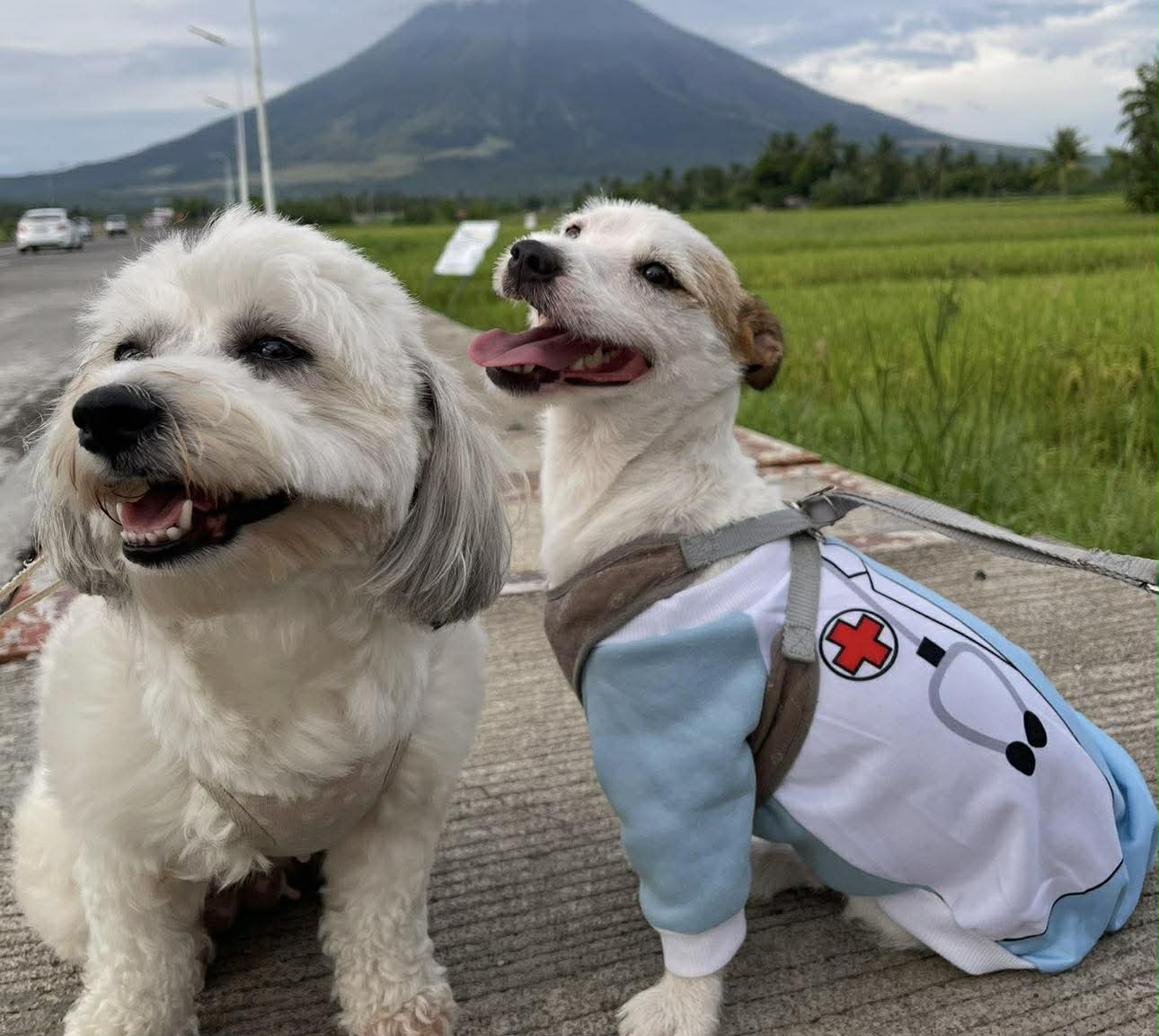
For generations, the Filipino concept of a pet was simple. You had “Bantay“, minsan tawag p natin sakanila eh si brownie or si blackie pa nga. They lived exclusively outside the gate. They ate leftover rice and fish bones. their job was to bark at strangers and look scary. If Bantay got sick, the cure was simple: pakainin ng damo, crush some malunggay leaves, or just “wait it out.” Pet insurance? That was never a thing back then. Veterinary clinics? Those were luxury places reserved for the Titas of Manila and their fluffy Poodles.
But in the last tenyears or so, something shifted. The “Bantay” era ended, and the “Fur-Baby” era began. Pets moved from the garage to the bedroom. They are no longer just security guards; they are surrogate children. But with this promotion comes a harsh financial reality that many Filipino households are learning the hard way: Loving a pet is easy, but keeping them alive is expensive.
This realization has birthed one of the most surprising trends in Philippine finance: Pet Insurance.
The “Economic Euthanasia” Problem
Let’s look at the numbers, because they are scary. Veterinary medicine in the Philippines is now world-class. We have 24/7 emergency hospitals, MRI machines for dogs, and even dialysis centers for cats.
But this tech comes with a price tag that rivals human healthcare:
- Simple Consultation: ₱350 to ₱800.
- Blood Test Panel: ₱3,000+.
- Parvovirus Confinement: ₱20,000 to ₱40,000 (easily).
- Major Surgery (Tumor/Fracture): Six digits.
This leads to a heartbreaking situation called “Economic Euthanasia.” This is when a loving owner is forced to put their pet to sleep—not because the condition is untreatable, but because the treatment is unaffordable.
Pet insurance is your buffer against this heartbreak. It turns a catastrophic ₱50k bill into a manageable ₱5k deductible.
Enter “Sachet” Insurance (Cheaper than Milk Tea)
In the past, pet insurance was complicated. You practically needed to present your dog’s entire family tree. Today, thanks to fintechs like GCash (GInsure), Maya, and startups like Igloo( https://mb.com.ph/2022/06/30/malayan-insurance-partners-with-gcash-for-pet-insurance , getting covered is as easy as buying load.
They have “sachetized” the industry. You can now buy a policy for as low as ₱600 to ₱1,500 per year.
- No Medical Exams: Just upload a photo and their vaccination record (Vet Card).
- No Breed Snobbery: It covers the essentials—accidents, acute illnesses, and burial assistance.
It’s not the “Gold Plan” that covers chemo in the US, but it covers the sudden emergencies that worry Filipinos the most.
The Rise of the Aspin and Puspin
Here is my favorite part of this trend: Inclusivity. For decades, the industry was classist. “Real” value was for Golden Retrievers and Persians. The native Aspin (Asong Pinoy) and Puspin (Pusong Pinoy) were seen as “resilient” animals that didn’t need doctors.
Insurance companies have debunked this myth. They know that while Aspins have great genes, they can still get hit by a tricycle or catch Distemper. Modern policies now explicitly market to “Mixed Breeds.” In fact, insurers often prefer them because they have fewer genetic defects than inbred purebreds (like Pugs with breathing issues). It is a powerful validation: Your rescue dog deserves the same protection as a champion-line import.
The Hidden Gem: Third-Party Liability
Most people buy insurance for the vet bills. But the real financial lifesaver is the Third-Party Liability clause.
Under the Anti-Rabies Act of 2007, you are strictly liable for your pet’s actions. Scenario: You are walking Bantay. The gate is open. He spots a jogger, chases them, and the jogger trips and breaks an arm (or gets bitten).
Without insurance, you are paying for:
- The victim’s ER fees and vaccines.
- The victim’s lost wages.
- Moral damages if they sue you.
This can easily hit ₱50,000 to ₱100,000 instantly. Pet insurance acts as your shield. It covers these legal liabilities and settlements. If you live in a crowded condo or a busy barangay, this coverage is non-negotiable.
Real Talk: Read the Fine Print
Before you rush to GInsure, manage your expectations. These are not HMOs like Maxicare. They don’t cover maintenance.
The 4 Deal-Breakers You Must Know:
- The “Senior” Ceiling: Most policies won’t accept pets older than 8 to 10 years old. If your dog is already 12, it’s too late.
- Pre-Existing Conditions: If your dog already has skin asthma or kidney stones, the insurance won’t cover it. They will check the vet card.
- The Waiting Period: You can’t buy insurance today because your dog is vomiting right now. There is usually a 14 to 30-day waiting period before coverage kicks in.
- Congenital Clause: Many cheap plans exclude genetic issues (like hip dysplasia in German Shepherds).
The Bottom Line
Pet insurance is shifting the Filipino culture from “Reactive” (rushing to the vet only when the dog is dying) to “Proactive” (seeking help early because the cost is covered).
Ultimately, it’s about peace of mind. It means fewer dogs surrendered to pounds and fewer cats suffering in silence. Whether it’s a ₱50k Frenchie or a rescue Aspin, every family member deserves a safety net.
Hi, I’m Oli. I read the fine print on finance and insurance so you don’t have to. Just a reminder: I’m sharing what I learn as I go, I can be wrong, so always double-check the details.
Liked this article? Drop a comment below, I actually read them.
Architect your first milestone.
Get the roadmap and join the inner circle.
The PHP 1M
Blueprint.
Comprehensive, data-driven, and designed for the Philippine professional. Get the architect's roadmap to the first million in liquid assets.